
Exploring the Evolution of Gambling Through History
The Origins of Gambling
The history of gambling can be traced back thousands of years, with evidence of games of chance appearing in ancient civilizations. Archaeological finds show that the Chinese were playing games involving dice as early as 2300 BC. Similarly, the ancient Egyptians enjoyed betting on dice games, and the Romans frequently gambled on various events, including gladiatorial matches. These early forms of gambling not only served as entertainment but also highlighted social status, as wealthier individuals could afford to take larger risks. Today, platforms such as http://www.goldengeniebet.com reflect the evolution of this timeless activity.
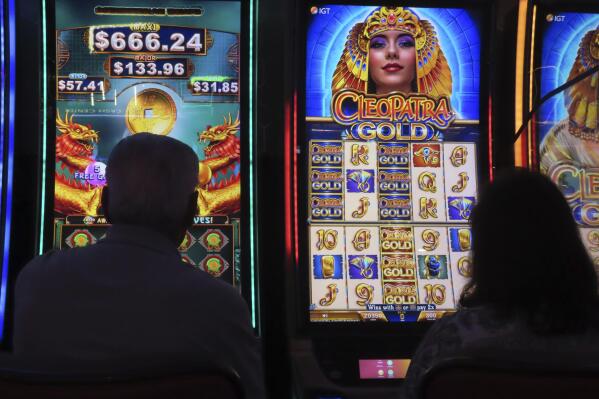
As societies evolved, so did the complexities of gambling. In medieval Europe, gambling became a popular pastime among nobility, which contributed to the establishment of various betting games. The introduction of playing cards in the late 14th century marked a significant turning point, as it led to the development of new games that became staples in gambling establishments. The rise of gambling during this time was often intertwined with other societal changes, including the rise of commerce and the growth of leisure activities.
However, gambling also faced criticism and regulation throughout history. In many societies, it was often viewed as morally questionable, prompting rulers to impose restrictions. For example, the English Parliament outlawed dice games in the 16th century, fearing the negative impact on social order. Despite these attempts, gambling persisted and continued to adapt, laying the groundwork for modern gaming culture.
The Birth of Modern Gambling Institutions
The 17th and 18th centuries witnessed the formalization of gambling establishments, with the establishment of the first official casinos in Europe. Venice opened the Ridotto in 1638, providing a regulated environment for gambling and setting a precedent for future casinos. These establishments catered to the elite, offering a range of games and luxurious surroundings. As gambling became more organized, it began to attract a broader audience, leading to the emergence of public gaming houses.
The 19th century saw a significant expansion of gambling, particularly in the United States with the Gold Rush. The influx of people seeking fortune led to the establishment of gaming houses, especially in boomtowns like San Francisco. These venues offered a chaotic mix of games and were often associated with crime and corruption. Nonetheless, they played a vital role in shaping the gambling landscape and laid the foundation for modern casinos.
The introduction of state-sanctioned lotteries in the 19th century also marked a turning point in the gambling industry. Governments recognized the potential for revenue generation, leading to the legalization of various forms of gambling. This not only legitimized the activity but also changed public perception, paving the way for modern betting industries and establishments.
The Digital Revolution and Online Gambling
The advent of the internet in the late 20th century transformed the gambling landscape entirely. Online casinos emerged in the mid-1990s, offering players the chance to gamble from the comfort of their own homes. This shift significantly broadened the audience for gambling, as geographical barriers disappeared and access to a wide variety of games increased. Players could now enjoy poker, slots, and other casino games without stepping into a physical establishment.
The convenience of online gambling has made it immensely popular, attracting a diverse demographic. Many online platforms offer extensive choices, including live dealer games that simulate the casino experience. Security and fairness have also improved with advancements in technology, with online casinos employing sophisticated encryption methods and randomized algorithms to ensure player safety and game integrity.
However, the rise of online gambling has brought challenges, including concerns about addiction and fraud. Regulatory bodies have had to adapt to this evolving landscape to ensure responsible gambling practices are upheld. Despite these challenges, the online gambling industry continues to thrive, reflecting the ongoing evolution of gambling in our digital age.
Gambling Myths and Misconceptions
Throughout its history, gambling has been accompanied by numerous myths and misconceptions that can skew public perception. One common myth is that casinos always have an unbeatable edge. While it’s true that house odds exist, skilled players can utilize strategies and game knowledge to improve their chances of winning. Understanding the odds can help players make informed decisions and reduce the stigma surrounding gambling as purely a game of chance.
Another misconception is that gambling leads to inevitable financial ruin. While irresponsible gambling can have severe consequences, many players engage in gambling as a recreational activity without experiencing negative outcomes. Responsible gambling practices, such as setting budgets and knowing when to stop, can help mitigate risks and promote a healthy relationship with gambling.
Finally, the belief that past outcomes can influence future results is a pervasive myth, especially in games like roulette. This is known as the gambler’s fallacy, where individuals assume that streaks or patterns will continue. In reality, each spin of the wheel is independent, and understanding this can help players maintain a realistic approach to gambling.

Golden Genie: The Modern Gaming Experience
As the gambling industry continues to evolve, platforms like Golden Genie exemplify the advancements in online gaming. This online casino is tailored for British players, boasting a diverse selection of over 1,000 games, including slots, table games, and live dealer options. By eliminating the need for software installation, Golden Genie creates a user-friendly experience that appeals to both seasoned gamblers and newcomers alike.
Security is a top priority at Golden Genie, employing SSL encryption to ensure that players’ data remains safe and confidential. Additionally, the site offers built-in responsible gambling tools, enabling players to maintain control over their gaming habits. This commitment to player safety is increasingly important in today’s gambling landscape, where concerns about addiction and financial risk are prevalent.
Moreover, Golden Genie welcomes new users with an impressive bonus package, including a 400% bonus up to €2,000 and 100 free spins. With 24/7 customer support and a variety of payment options, this platform ensures a seamless and engaging gaming experience, positioning itself as a leader in the online gambling sector. As the industry continues to evolve, establishments like Golden Genie demonstrate how modern technology can enhance the gambling experience for all players.
 International Standards make things work. They give world-class specifications for products, services and systems, to ensure quality, safety and efficiency. They are instrumental in facilitating international trade.