
Understanding Your Bankroll
Managing your bankroll effectively starts with a clear understanding of what your bankroll actually is. In simple terms, your bankroll is the total amount of money you have set aside specifically for gambling purposes. This amount should be separate from your daily expenses, savings, or any finances that are earmarked for other obligations. By defining your bankroll, you create a safety net that helps prevent overspending and ensures that your gambling activities, including options like casino online , remain enjoyable rather than stressful.
Moreover, knowing your bankroll allows you to make informed decisions about how much you can afford to wager on each game or bet. It’s important to be realistic about your financial limits and to avoid chasing losses. A common mistake among gamblers is viewing their bankroll as disposable income, which can quickly lead to financial difficulties. Establish a clear mental and written boundary regarding your available funds to keep your gambling on a secure and responsible path.
Finally, consider tracking your winning and losing sessions to gauge how well you are managing your bankroll over time. Keeping a log can help you identify patterns in your gambling behavior. This practice can inform your future betting strategies, providing a data-driven approach to managing your funds. By understanding your bankroll dynamics, you equip yourself with the tools necessary for sustainable and enjoyable gambling.
Setting a Budget for Gambling
Setting a budget is one of the most effective strategies for managing your bankroll while gambling. This involves deciding in advance how much money you are willing to spend during a gambling session or over a specified timeframe, such as a week or month. By establishing a budget, you can set clear limits that prevent impulsive betting and emotional decision-making. It’s essential to stick to this budget, as straying from it can lead to significant losses that may affect your financial well-being.
When creating your gambling budget, consider factors such as your income, expenses, and other financial commitments. This will help create a realistic figure that you can afford to lose without affecting your lifestyle. Additionally, it is wise to allocate funds for different types of games or gambling activities, as this allows for a diversified experience while maintaining control over your spending. For instance, you might set aside a specific amount for slot machines and another for table games.

Moreover, remember that your budget should also include a portion for winnings. If you are fortunate enough to win a significant amount, set aside a portion of your winnings to replenish your bankroll or save for future use. This practice not only ensures that you do not overspend but also helps in enjoying the thrill of gambling while securing your financial future. Adhering to a budget is crucial for responsible gambling.
Choosing the Right Games
Choosing the right games can greatly impact your bankroll management strategy. Different gambling games have varying odds and house edges, which can influence how quickly you win or lose your funds. When picking games, consider not only your personal enjoyment but also the statistical probabilities involved. For instance, table games like blackjack often offer better odds compared to slot machines, making them more suitable for players looking to extend their bankroll over time.
Additionally, familiarize yourself with the rules and strategies of the games you intend to play. Understanding game mechanics can help you make informed betting decisions, minimizing losses while maximizing potential wins. Games that require skill, such as poker, allow you to leverage your knowledge and strategy to improve your odds against other players, thereby enhancing your overall bankroll management strategy.
Lastly, it’s essential to balance gameplay enjoyment with sound financial practices. While it might be tempting to play games with the potential for higher payouts, these often come with increased risks. By sticking to games that suit both your financial strategy and entertainment preference, you can create a more gratifying gaming experience while also maintaining a healthy bankroll. Investing time in game selection can yield long-term benefits in your gambling journey.
Practicing Self-Discipline
Self-discipline is a fundamental aspect of managing your bankroll effectively. It involves exercising control over your betting habits, resisting the temptation to exceed your established budget, and avoiding impulsive decisions. One of the critical challenges gamblers face is the emotional rollercoaster that comes with winning and losing. Learning to take losses in stride and not allowing emotions to dictate betting behavior is crucial for maintaining a healthy bankroll.
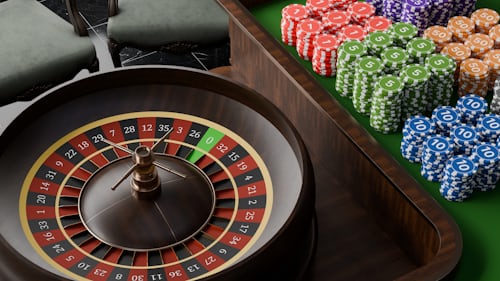
Implementing strategies such as setting time limits for your gambling sessions can help enforce self-discipline. By deciding in advance how long you intend to play, you can prevent extended sessions that may lead to unnecessary losses. Additionally, consider taking regular breaks to reassess your gameplay and feelings before continuing. This approach allows you to step back, reflect on your current financial standing, and make adjustments if necessary.
Furthermore, consider seeking support if you find maintaining self-discipline challenging. Engaging with gambling support groups or utilizing self-exclusion options can provide the necessary tools for controlling your gambling habits and managing your bankroll. By being proactive and establishing a disciplined approach to gambling, you can enjoy the experience while safeguarding your financial health.
Resources for Responsible Gambling
Understanding the importance of responsible gambling is vital for managing your bankroll effectively. There are numerous resources available for players looking to enhance their gambling experience while keeping finances in check. Many gambling establishments provide tools and information to help players set limits on deposits, losses, and playtime, promoting a culture of responsibility among gamblers.
In addition to self-help tools, professional organizations often offer resources and support services aimed at helping individuals maintain a healthy relationship with gambling. Websites dedicated to responsible gaming provide educational content about the risks associated with gambling, as well as strategies to manage behaviors effectively. Utilizing these resources can significantly enhance your ability to make informed decisions regarding your bankroll.
Ultimately, becoming educated about your gambling habits and seeking help when necessary fosters a safer gaming environment. Emphasizing responsible gambling can lead to a more enjoyable experience, free from the stress of financial burden. By taking advantage of available resources, you equip yourself with the knowledge and support needed to maintain a healthy bankroll and enjoy your gambling ventures responsibly.
 International Standards make things work. They give world-class specifications for products, services and systems, to ensure quality, safety and efficiency. They are instrumental in facilitating international trade.